
Edited by onsenkoi · as of November 2026. Check property rules and rates with the property or 楽天トラベル before booking.
A ryokan (旅館) is a traditional Japanese accommodation where you stay in a tatami room, enjoy dinner and breakfast at the property, and soak in the onsen. The biggest difference from a hotel is that there is a set way to spend your day at the ryokan. If it is your first time, knowing this flow alone will help you avoid feeling overwhelmed.
A Day at a Ryokan
- Check-in
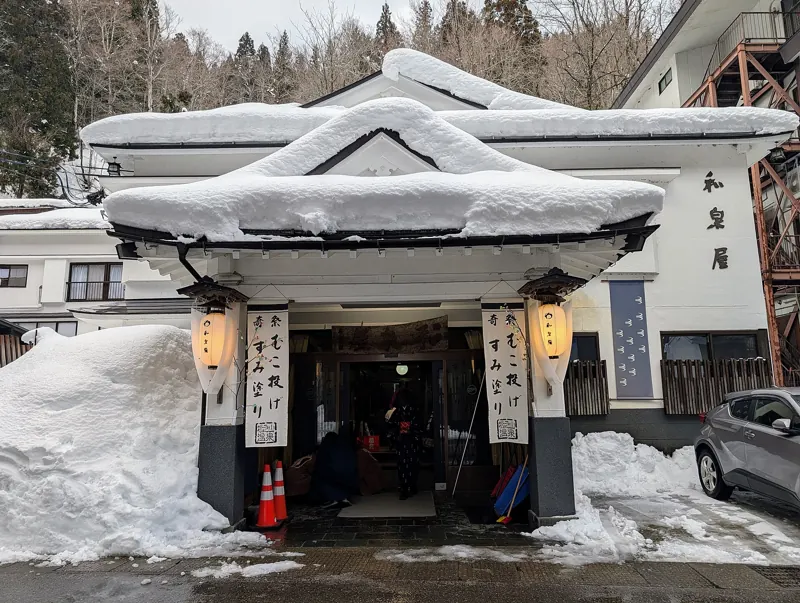
Remove your shoes at the entrance before entering. Once you are shown to your room, tea and snacks will be ready, and you will set the time for dinner.
- Onsen
Change into a yukata and head to the large bath or open-air bath. Typically, guests bathe once before dinner, once before bed, and once in the morning.
- Dinner
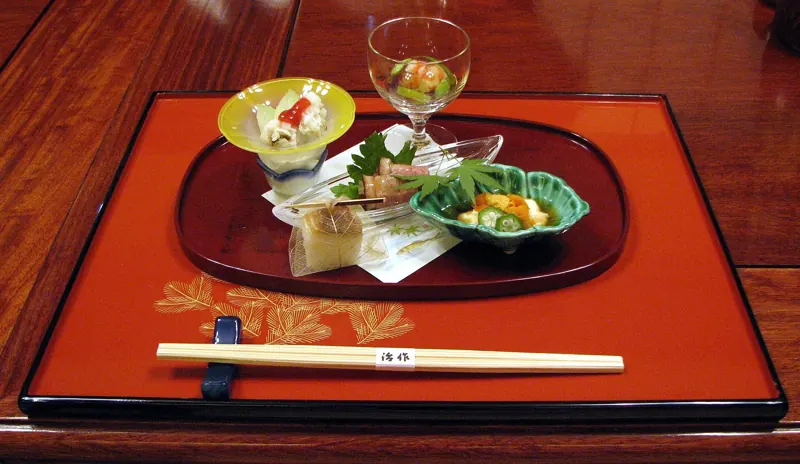
The kaiseki course lasts about an hour and a half. You can eat in your room, the dining hall, or a private room.
- Bed Setup
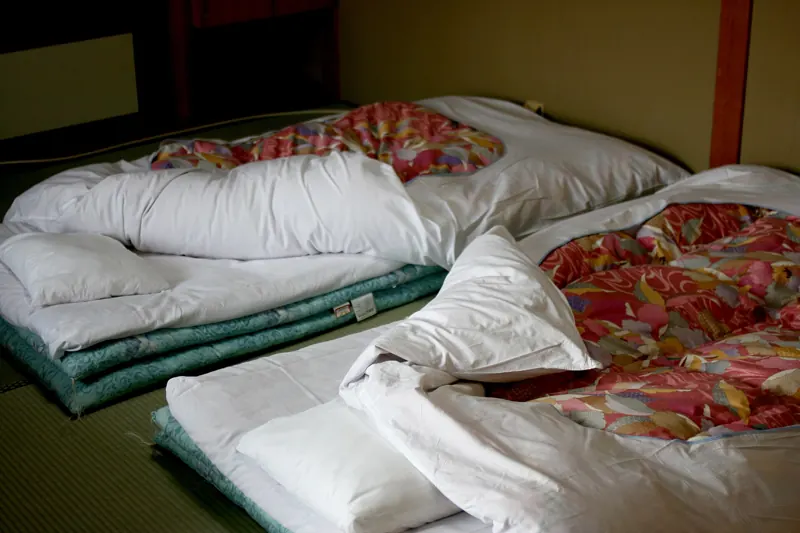
Staff will set up the futon in your room while you are eating. Some ryokans require you to set it up yourself.
- Breakfast
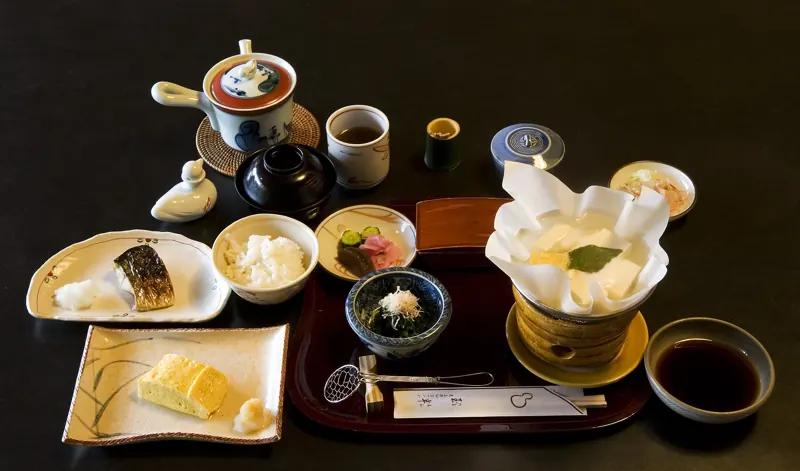
A traditional Japanese breakfast featuring grilled fish, rice, and miso soup. You should set the time for this the previous day.
- Check-out
Return your key to the front desk and pay any remaining fees, such as the bathing tax. You can leave your luggage and explore the onsen town.
Check-in is usually at 15:00; be sure to confirm the deadline.
Because ryokans prepare dinner in advance, the check-in deadline (usually 18:00–19:00) is stricter than at hotels. If your flight arrives late, choose a ryokan you can reach before the deadline by considering your 'arrival airport' and 'arrival time.' If you expect to be late, it is polite to call the ryokan in advance. Without notice, your dinner may not be served, or your reservation may be canceled.
Inside the Room
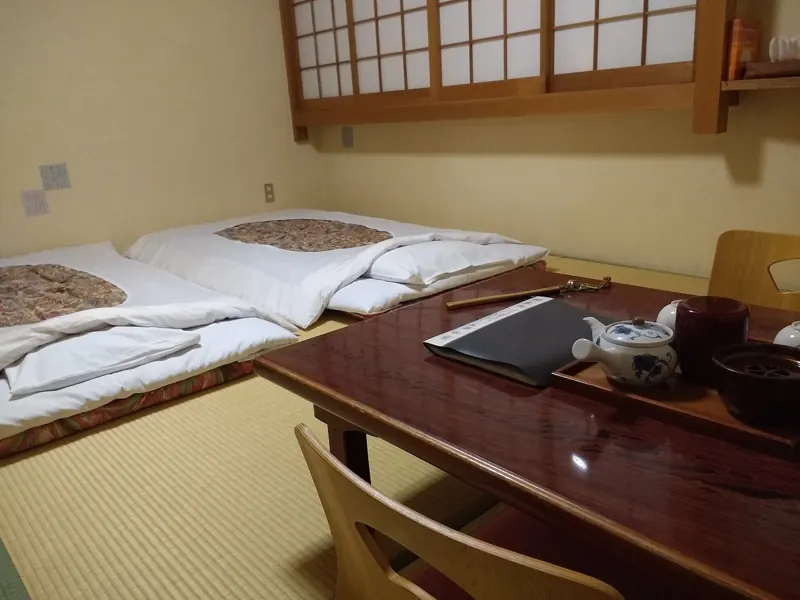
The room is covered in tatami mats and features a low table with cushions. On one wall, there is a 'tokonoma (床の間)' alcove for displaying scrolls and flowers. The tokonoma is a decorative space, so do not place luggage there. Enjoy tea while viewing the scenery from the small seating area by the window (hiroen).
One night with two meals is the standard.
Ryokan rates are typically per-person prices for a 'one night, two meals' plan, which includes dinner (such as kaiseki) and breakfast. For two people, the total is double the displayed amount. The lowest price on 楽天トラベル may be for a plan without meals, so select your dates and set the meal plan to 'one night, two meals' to immediately compare the total cost for two people.
How to wear a yukata
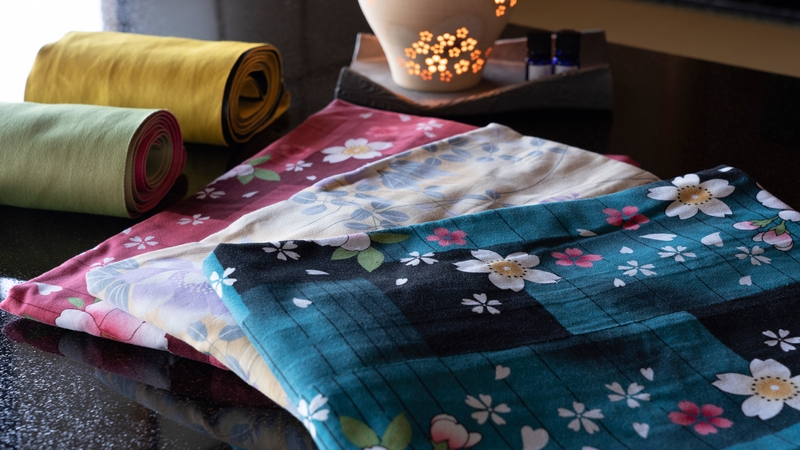
The yukata provided in the room can be worn inside the accommodation and for walks around the hot spring town. Place the right side of the garment against your body first, then overlap the left side on top (the reverse is for funerals). Tie the belt near the hip bone. If it is cold, wear a 'tanzen (丹前)' or 'haori' over it. It is common to wear a yukata when going to the dining area.
Order of using the large public bath
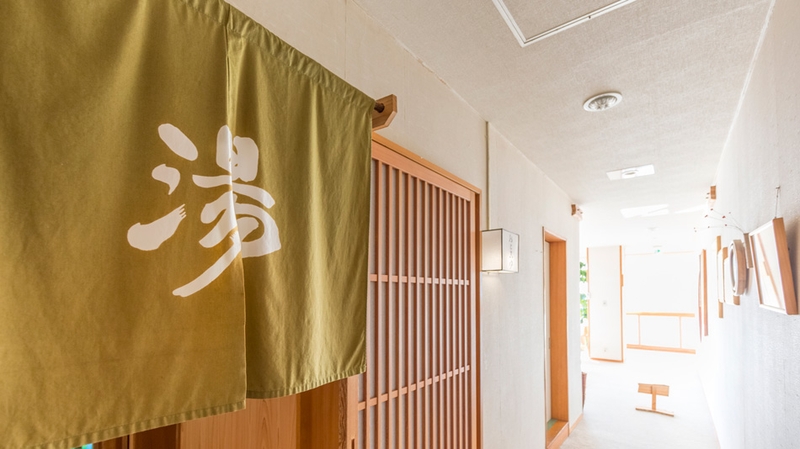
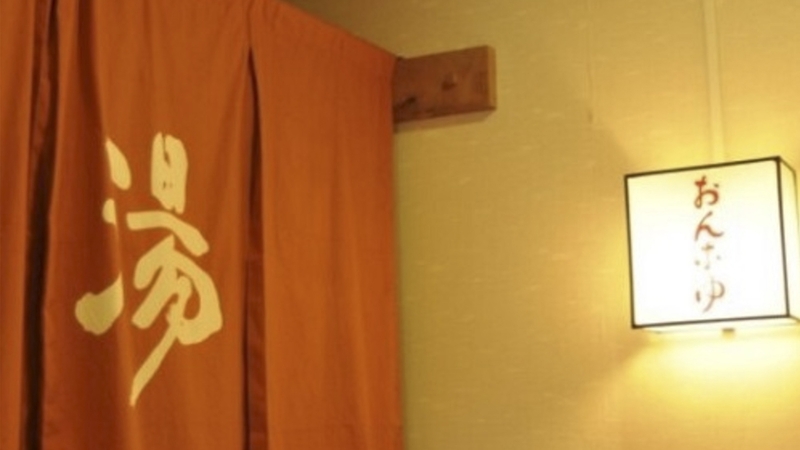
- Checking men's and women's baths
Distinguish them by the color and characters on the entrance noren (暖簾). Look for 男 (men) and 女 (women); often blue indicates the men's bath and red indicates the women's bath. Some accommodations switch the baths for men and women at certain times.
- Undress completely in the changing room
Leave clothes and large towels in the basket, and take only one small towel with you. Do not wear swimsuits.
- Wash your body first
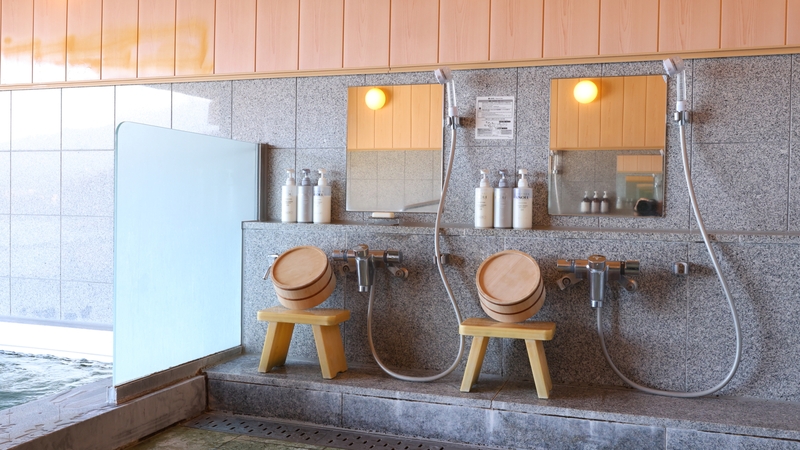
Wash your body and hair at the seated shower stations. If there is a kakeyu near the bath, pour water over your body to get used to the temperature.
- Soak quietly
Do not put small towels in the bath; place them on your head or set them aside. Tie up long hair, and do not swim, dive, or take photos.
- Dry off before leaving
Dry your body with a small towel inside the bathroom before exiting to keep the changing room floor dry.
Money and Etiquette
- No tipping
There is no tipping culture in Japan. If you received special assistance, you may give a small envelope, but it is not required.
- Bathing tax
Many onsen accommodations charge a separate bathing tax (入湯税) of around ¥150 per person per night. If it is not included in the accommodation fee, pay it at checkout.
- Room refrigerator
Drinks inside are usually paid. Whether you can store drinks you bought in empty spaces varies by accommodation.
- Keep quiet at night
Wooden buildings amplify sound. Please keep your voice down in the hallway after 22:00.
Related pages
More guides
Browse regions, themes and spring types · Choose on the onsen map