
Edited by onsenkoi · as of November 2026. Check property rules and rates with the property or 楽天トラベル before booking.
The color, scent, and feel of the water on your skin vary from one hot spring to another. What creates these differences is the 'spring quality' (sen-shitsu). Understanding spring quality helps you choose a hot spring that suits your skin and travel purpose.
What Are Hot Springs and Spring Quality?
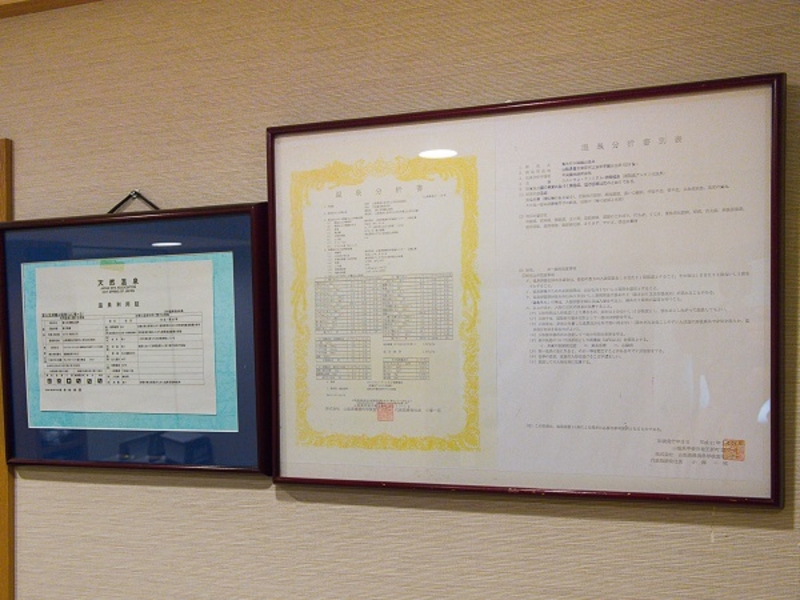
Under Japan's Hot Spring Act, water emerging from underground is classified as a 'hot spring' if it is at least 25°C or contains specific minerals above a certain threshold. Among these, springs with high mineral content that have therapeutic effects are called 'therapeutic springs' (ryoyo-sen) and are categorized into ten spring qualities based on environmental standards. Hot spring facilities are required to display an 'hot spring analysis certificate' in changing rooms, listing the components and spring quality.
Spring Qualities Registered for This Service
We counted the spring qualities registered by accommodations on Rakuten Travel. A single accommodation may register multiple spring qualities.
- Chloride spring2,818 stays
- Simple thermal spring2,762 stays
- Sulfate spring1,217 stays
- Bicarbonate spring1,113 stays
- Sulfur spring865 stays
- Radioactive spring (radium)232 stays
- Acidic spring221 stays
- Iron-rich spring105 stays
- Carbon dioxide spring21 stays
Overview of Major Spring Qualities
| Spring type | Intensity | Warmth | Feel | Good for |
|---|---|---|---|---|
| Simple Hot Spring | Low irritation, soft water | First-time visitors, children, and the elderly | ||
| Chloride Spring | Salty taste, keeps you warm even after bathing | People who feel cold easily, winter travelers | ||
| Sodium Bicarbonate Spring | Smooth feel, refreshing after bathing | People who want smooth skin | ||
| Sulfate Spring | Bitter taste, known to be good for wounds and skin | People who soak slowly for a long time | ||
| Carbon dioxide spring | Small bubbles cling to the body | People who prefer lukewarm baths | ||
| Iron spring | Turns reddish-brown upon contact with air | People who want to see unique baths | ||
| Acidic spring | Stinging sensation with strong sterilizing power | Adults with tough skin (short soak) | ||
| Sulfur spring | Egg smell, white spring flowers | People who enjoy the hot spring scent (short soak) | ||
| Radioactive spring (radium) | Trace radon, colorless and transparent | People who rest quietly for a long time |
Intensity and warmth show general tendencies on a three-step scale. The same type varies with concentration, pH and temperature.
Spring types seen through water color
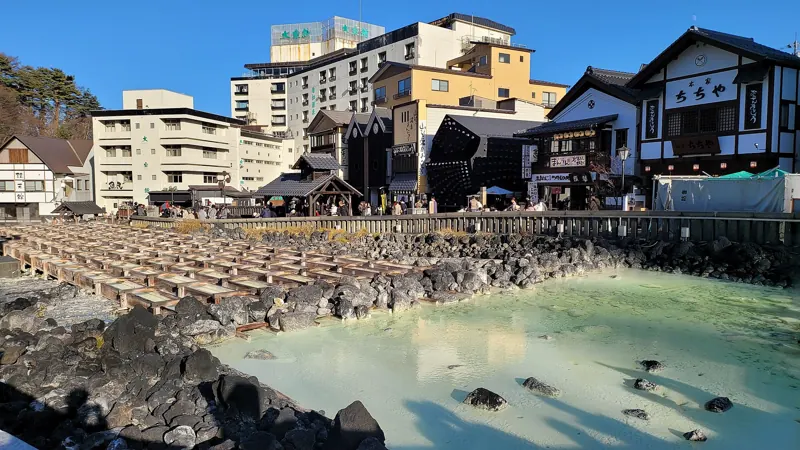
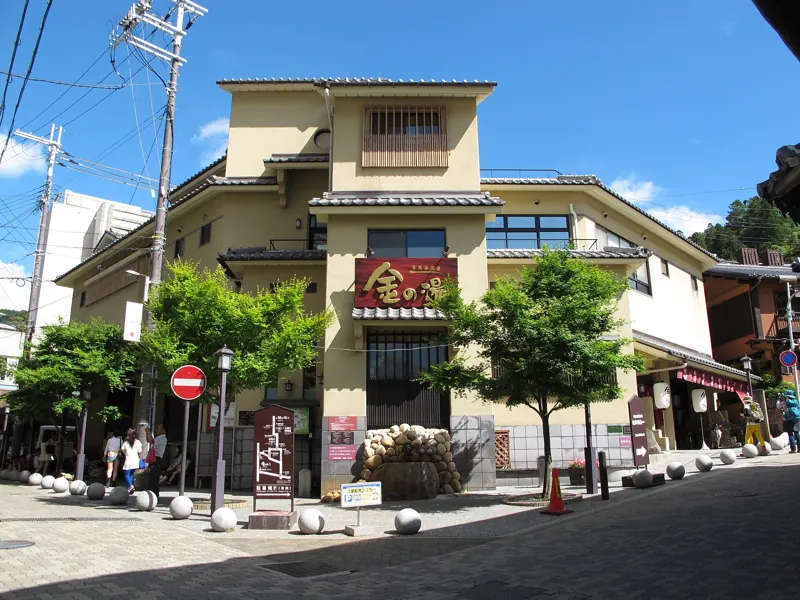
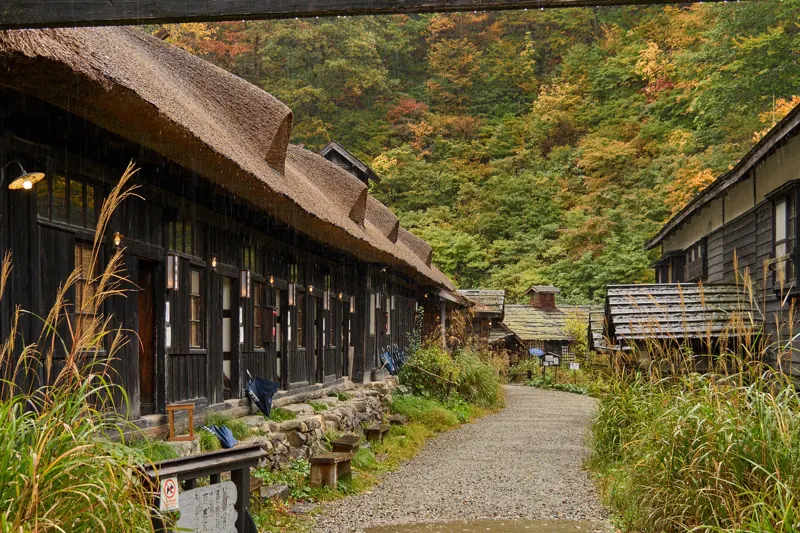
Simple spring — For first-timers
With low mineral content and minimal irritation, it is comfortable for those with sensitive skin or when bathing with children. Alkaline simple springs with a pH of 8.5 or higher soften dead skin cells and are sometimes called 'beauty baths.' This is the most common type of spring in Japan.
Chloride spring — Keeps the body warm for a long time
Similar in composition to seawater, the salt coats the skin, providing a long-lasting warming effect. Also known as 'Netsu-no-yu (Heat Bath),' it is common in seaside onsen and well-suited for winter travel. It may sting slightly if it comes into contact with wounds.
Bicarbonate spring — Smooth skin
Known as a 'beauty bath,' this spring type gently dissolves oil and dead skin cells on the skin's surface. The body cools down quickly after bathing, leaving a refreshing sensation, making it good for summer as well.
Sulfur spring and acidic spring — Strongly irritating onsen
Sulfur springs are known for their egg-like smell, while acidic springs have a strong acidity, more sour than lemon. They are common in volcanic areas like Kusatsu, Zao, and Noboribetsu. Due to strong irritation, do not soak for long periods, and if you have sensitive skin, rinse with fresh water after bathing. Silver and copper jewelry will tarnish, so remove them before entering.

Gekenasashi (Direct flow from source)
'Gekenasashi (源泉かけ流し)' is a method where hot spring water is flowed directly from the source without reheating, filtering, or reusing it. Because the water is always fresh, it is a sign sought after by onsen enthusiasts. However, some places mix or heat water for temperature control, and this is indicated separately.
How to enjoy without straining your body
- Start with kakeyu
Before entering the bath, pour water over your body starting from your toes to get accustomed to the temperature.
- 5 to 10 minutes at a time
For baths over 42°C, 3 to 5 minutes is sufficient. It is less tiring to enter in several short sessions.
- A glass of water
Since you lose moisture through sweat, drink water before entering and after leaving the bath.
- Avoid bathing after meals or drinking alcohol
Blood pressure may drop after eating or drinking alcohol, causing dizziness. Rest for about an hour before entering the bath.
Related pages
More guides
Browse regions, themes and spring types · Choose on the onsen map